Learn how disciplined traders think, manage risk, and execute consistently using professional frameworks and real-world tools. Don’t spend years and money trying to learn how to trade, everything is here if you trust yourself.
Investing and trading are two distinct approaches to participating in the stock market. Both involve buying and selling securities, but they differ in objectives, time horizon, methods, risk profile, and typical strategies.
Definitions
Investing: Buying securities (stocks, bonds, ETFs, etc.) with the intent to hold them for a long period—typically years to decades—to build wealth through capital appreciation, dividends, and compounding. Investors focus on the fundamental value and long-term prospects of companies or portfolios.
Trading: Buying and selling securities over shorter time frames—minutes, hours, days, weeks, or months—with the goal of profiting from price fluctuations. Traders attempt to exploit market volatility, patterns, and short-term information or sentiment.
Core differences
Time horizon
Investing: Long-term (years to decades).
Trading: Short-term (intraday to months).
Goal
Investing: Growth of capital, income generation, retirement planning, and wealth preservation.
Trading: Short-term profit from price movements and volatility.
Decision basis
Investing: Fundamental analysis (earnings, revenue growth, competitive advantages, balance sheets, industry trends).
Trading: Technical analysis (price charts, patterns, indicators), news-driven catalysts, and market sentiment.
Risk and return profile
Investing: Generally lower short-term volatility, risk mitigated over time by diversification and compound returns; returns depend on long-term market growth.
Trading: Higher short-term volatility and higher potential for quick gains or losses; requires active risk management (stop-losses, position sizing).
Frequency of transactions
Investing: Infrequent trades; portfolio rebalancing occasionally.
Trading: Frequent trades; active monitoring and quicker turnover.
Costs and taxes
Investing: Lower transaction costs per year due to fewer trades; more favorable long-term capital gains tax treatment in many jurisdictions.
Trading: Higher transaction costs (commissions, bid-ask spreads) and often taxed at higher short-term rates; tax complexity increases with volume.
Required skills and time commitment
Investing: Research skills, patience, and ability to evaluate fundamentals; less day-to-day time commitment.
Trading: Quick decision-making, technical analysis, discipline, and continuous monitoring; often full-time or substantial daily commitment.
Emotional demands
Investing: Requires patience and the ability to ride out short-term volatility without reacting to every market movement.
Trading: Requires managing stress, avoiding impulsive trades, and sticking to a defined strategy and risk rules.
Typical participants
Investing: Individual long-term investors, retirement accounts, mutual funds, pension funds, buy-and-hold investors.
Trading: Day traders, swing traders, proprietary trading firms, hedge funds focused on short-term strategies.
Overlap and hybrid approaches Many market participants combine both approaches—holding a core long-term portfolio while allocating a smaller portion of capital to shorter-term trades. The choice between investing and trading depends on individual goals, time horizon, risk tolerance, tax considerations, and the amount of time one can dedicate to market activity.
Practical considerations when choosing
Define financial goals and time horizon.
Assess risk tolerance and liquidity needs.
Consider tax implications in your country.
Match strategy to available time and skills.
Start with a clear plan: diversification and risk management for investors; strategy, backtesting, and strict risk controls for traders.Education. Whatever it is, the way you tell your story can make all the difference.
Outcome Expectation (Compliance-Safe)
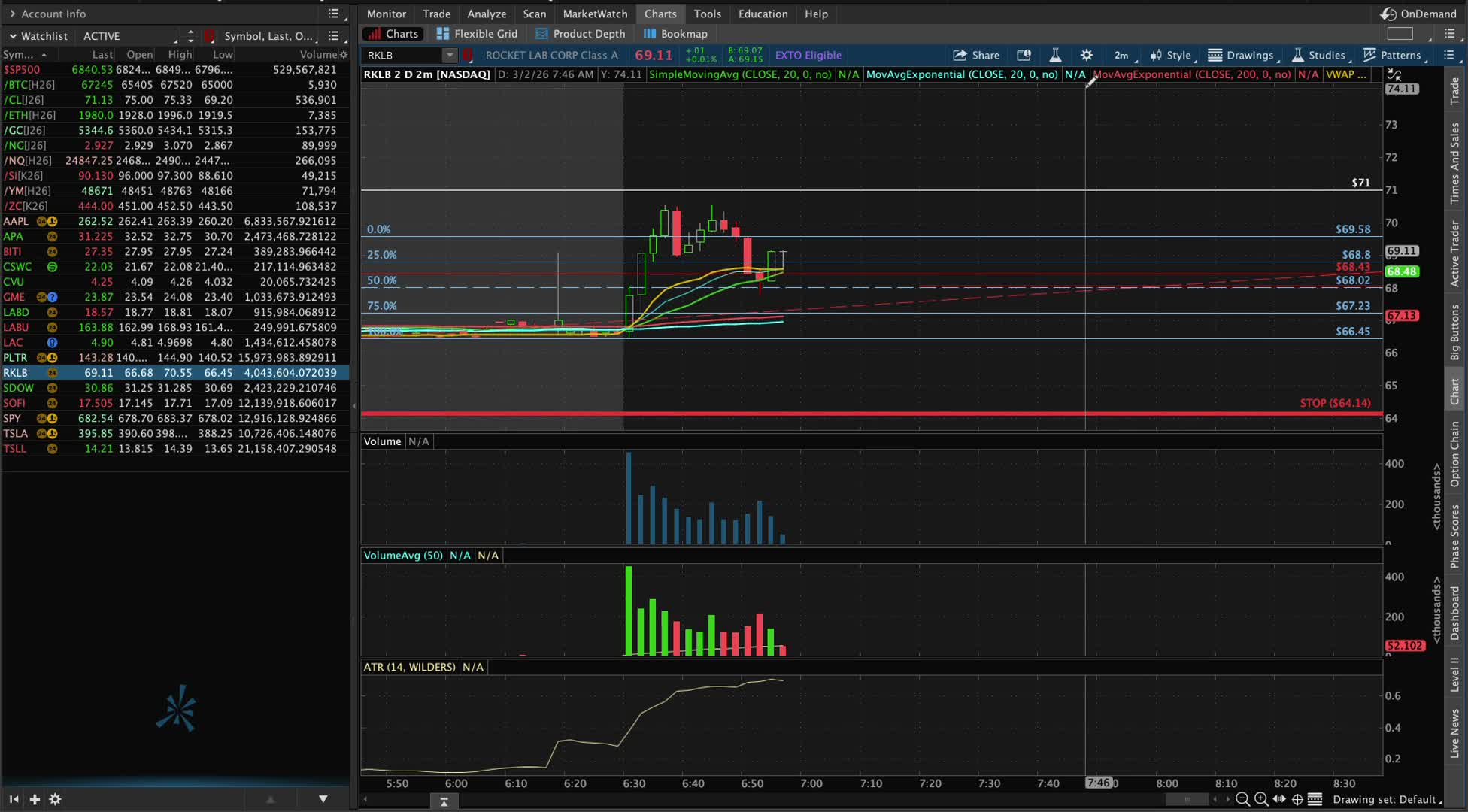
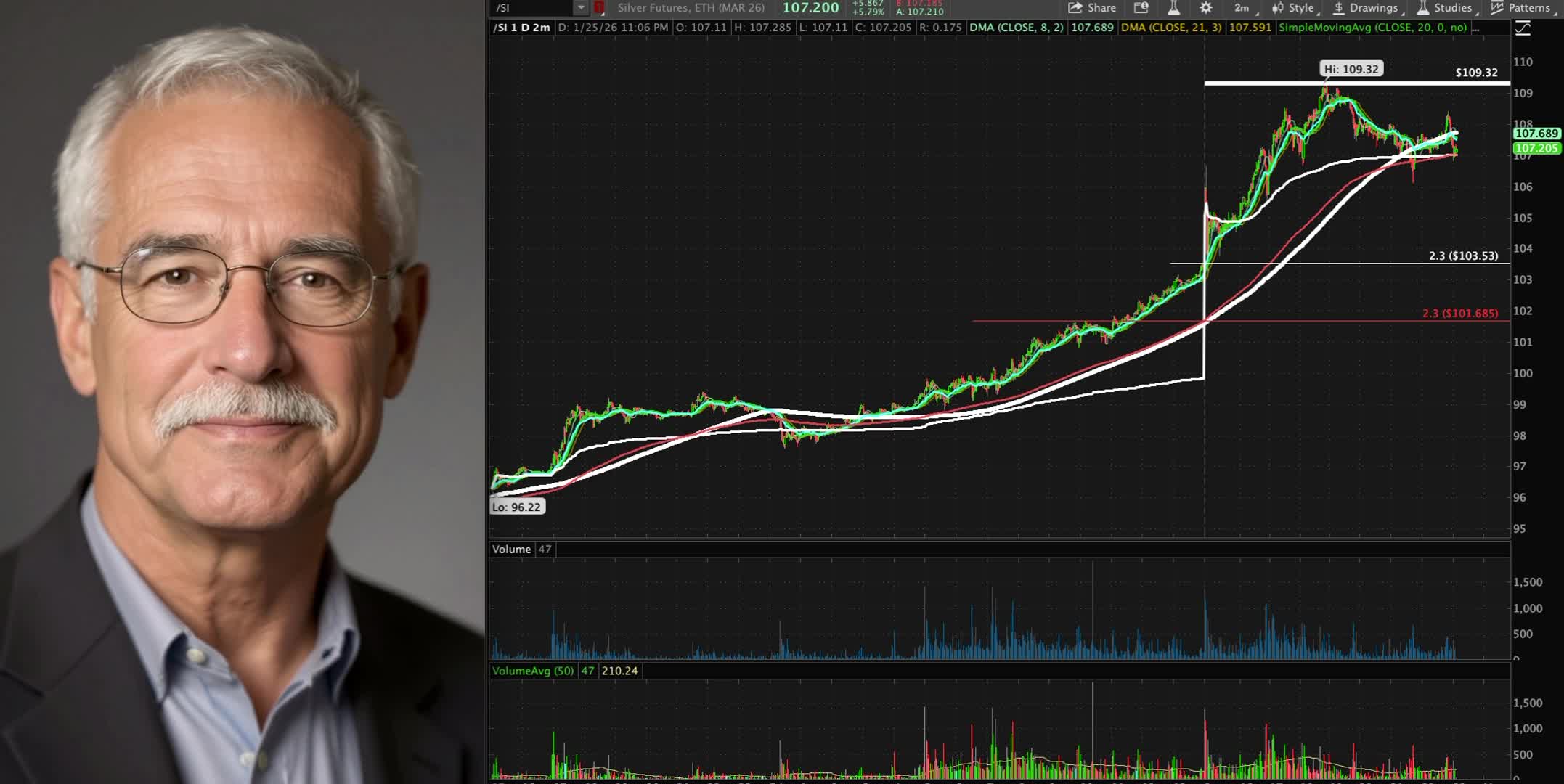
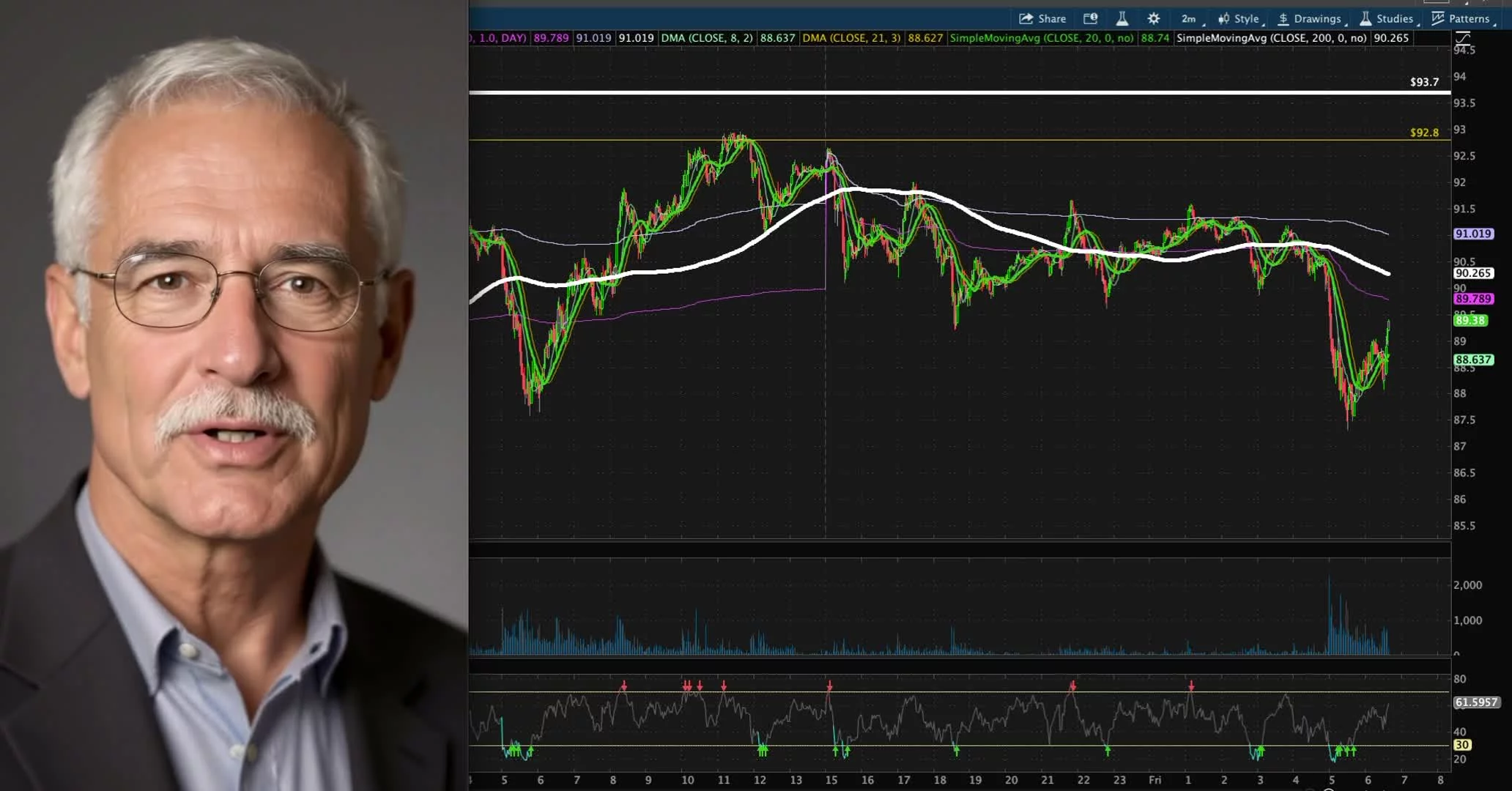
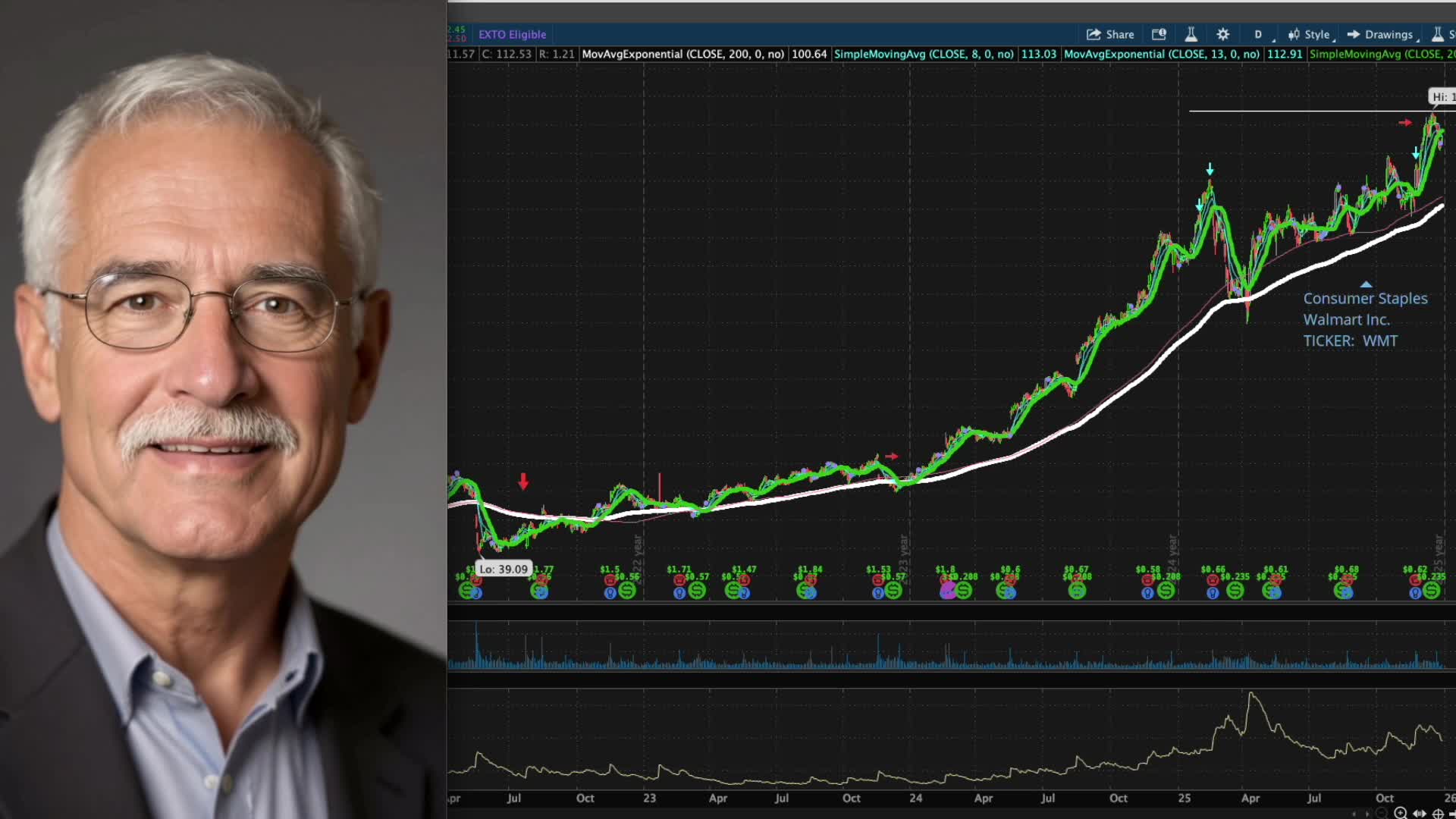
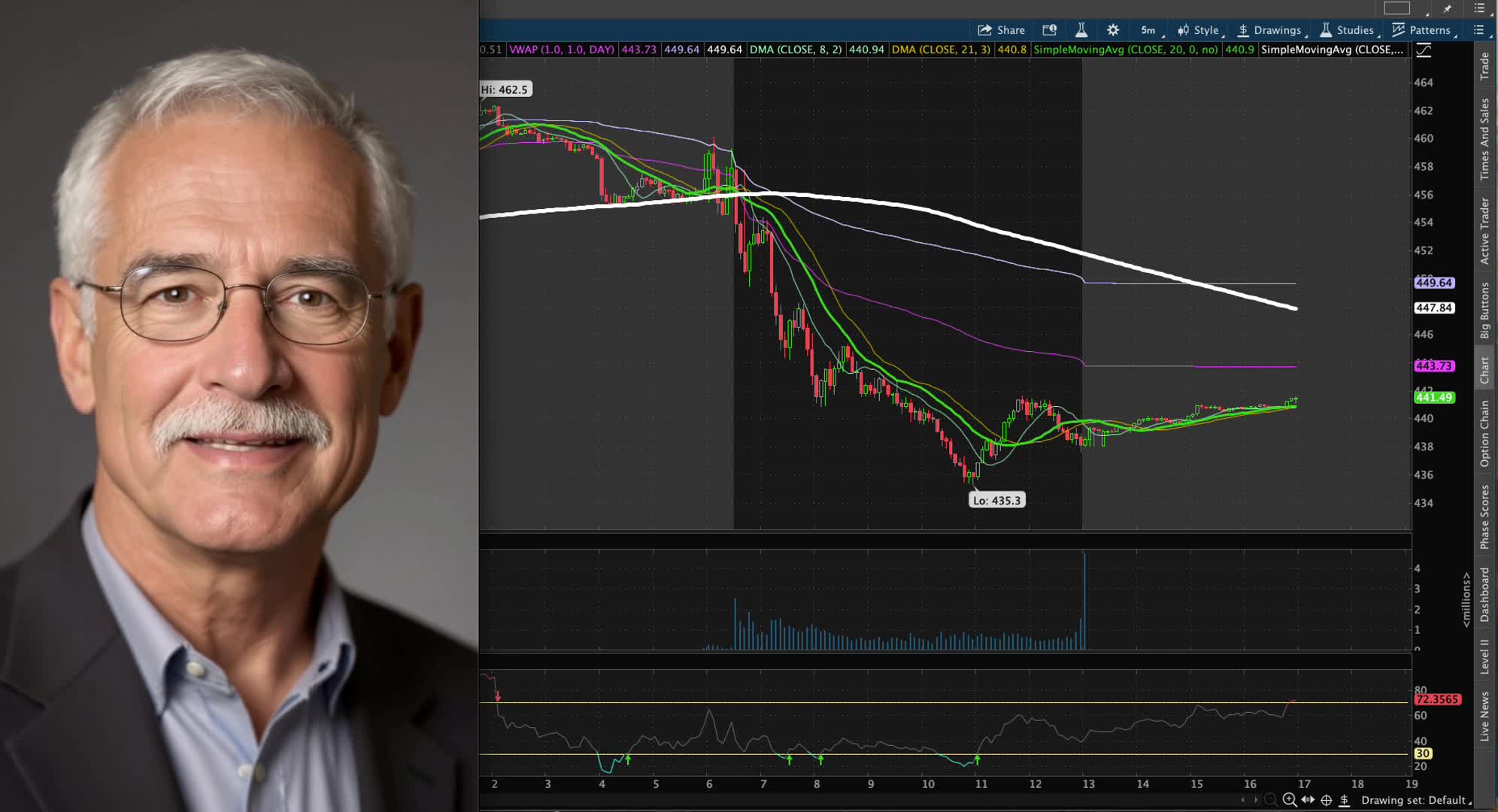
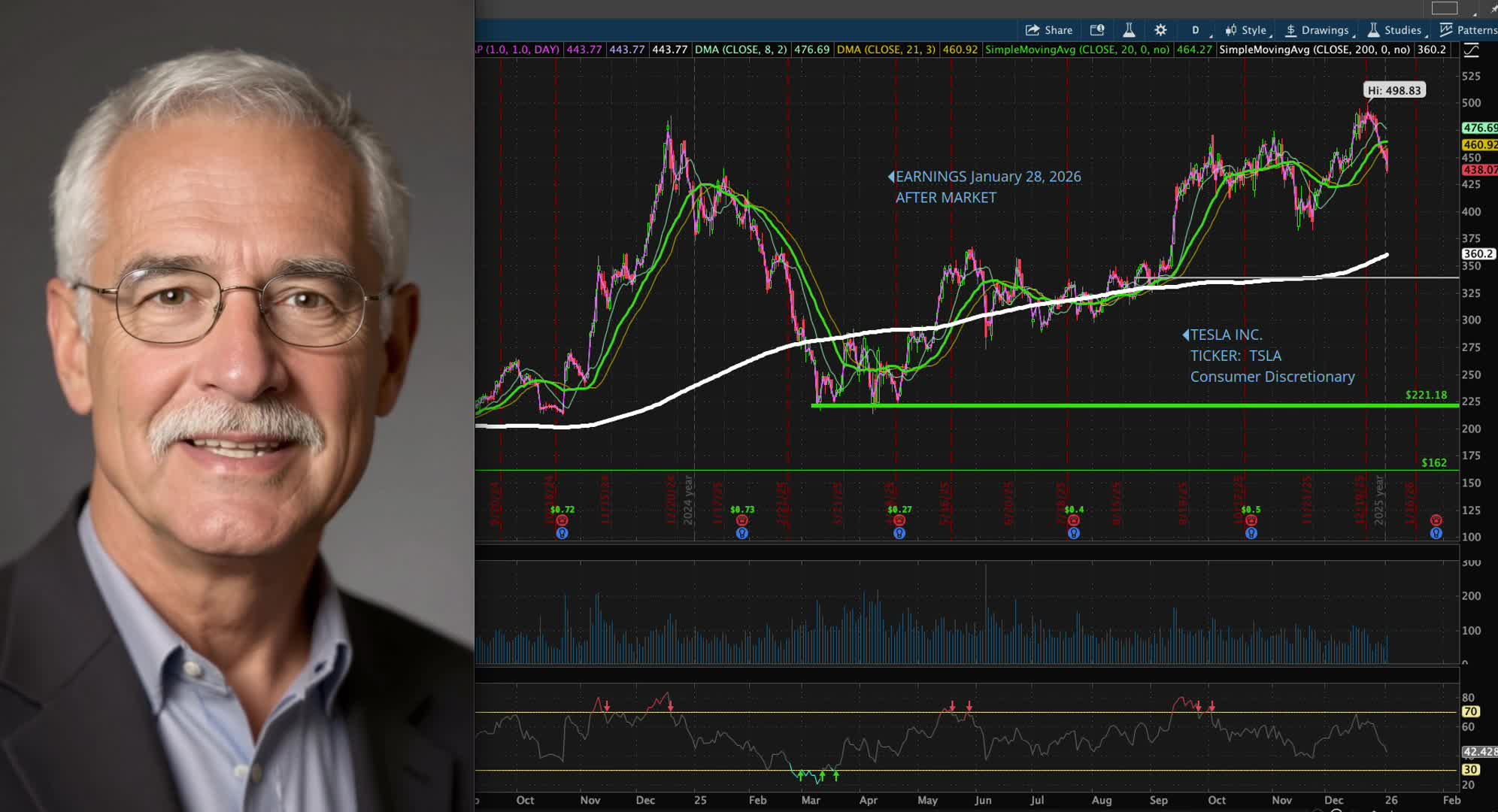
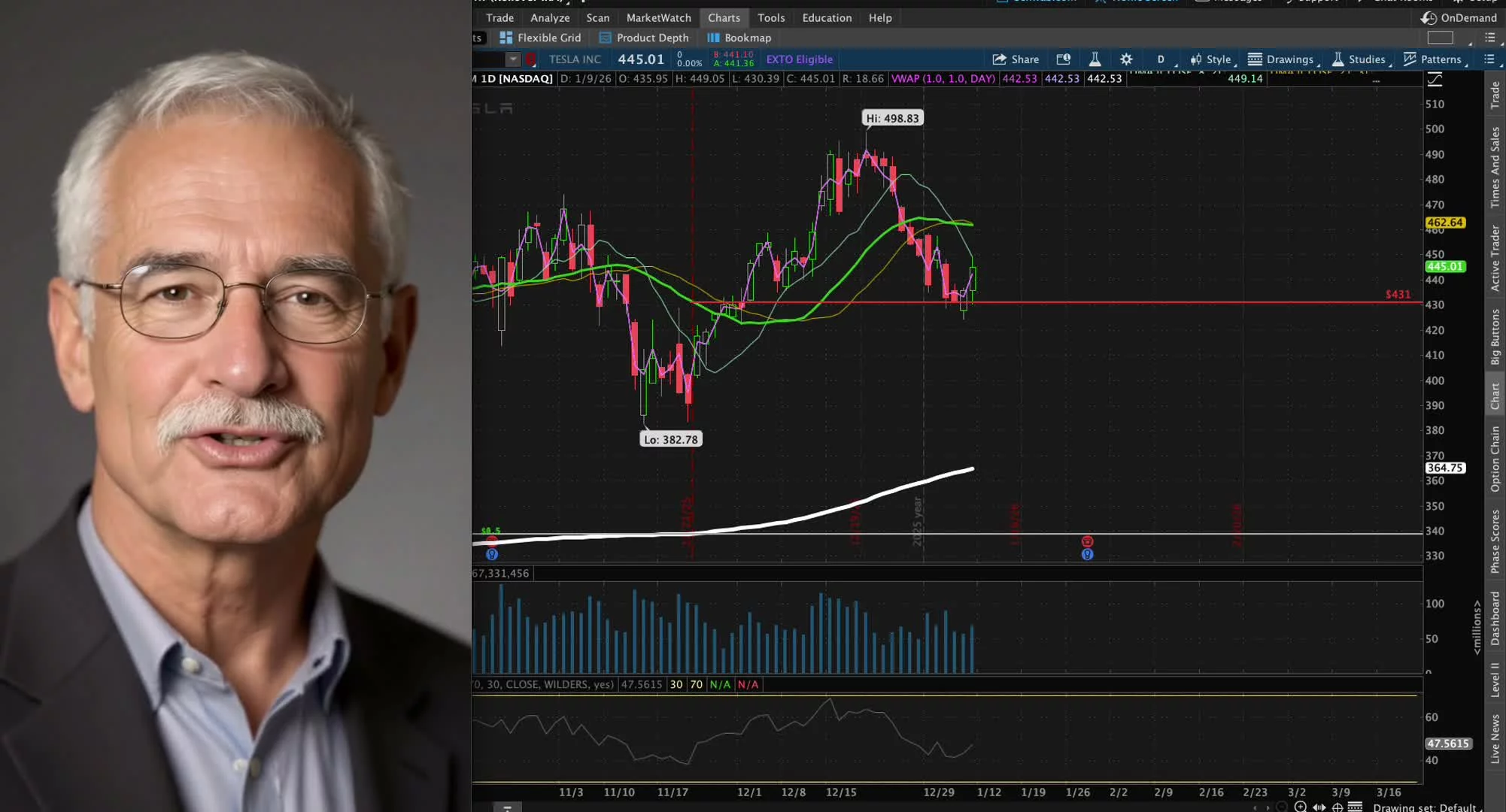
Members should expect: Improved situational awareness. Better timing discipline. Clearer understanding of trade invalidation in live markets. Results depend on experience, execution discipline, and market conditions.





Important Disclosure & Educational Disclaimer
I am not a licensed financial advisor, broker, or investment professional, and I do not hold formal degrees or certifications in finance, investing, or securities trading.
All material presented in this program is based solely on my personal experience. Over the past decade, my learning has come from real-world market participation through trial, error, gains, and losses. I have experienced both significant drawdowns and meaningful successes. The frameworks, tools, and concepts shared here reflect those lived experiences and lessons—not institutional or academic financial training.
This program is provided strictly for educational and informational purposes only. Nothing presented should be interpreted as financial advice, investment advice, or a recommendation to buy, sell, or hold any security or financial instrument.
Trading and investing in the stock market involve substantial risk. There is no guarantee of profit, and it is possible to lose some or all of your invested capital. By accessing this program, you acknowledge and accept these risks.
All examples, case studies, and discussions reflect what I understand at the time they are presented. Markets evolve, and so does my perspective. As my understanding develops, updated insights may be shared; however, results will always vary based on individual decisions, market conditions, experience level, and risk tolerance.
You are solely responsible for your own investment decisions and outcomes.